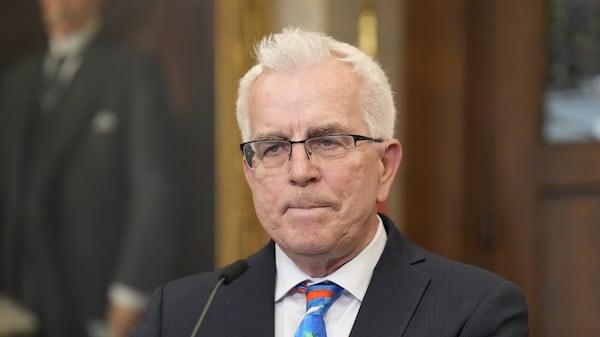
Vitalité Health Network is promising things at Restigouche Hospital Centre have already changed in light of a recently published report on conditions at the site. The mental health rehabilitation facility in Campbellton, N.B., is at the centre of a new Ombud investigation looking into the misuse of restraints and seclusion rooms after 12 patient complaints between 2021 and 2023. The network’s associate vice president for mental health and addiction says they’ve been making changes since those complaints came to light. “We take this very seriously and we want to make sure that every action that we take is concrete and is leading to a transformation,” said Sébastien Lagacé, who was the hospital’s executive director between 2023 and 2025. When asked about those concrete changes, Lagacé said the most immediate shift has been the constant monitoring of patients while in the seclusion rooms. The Ombud’s report describes those rooms as “bare, locked rooms, furnished with institutional beds that are equipped with physical restrain equipment …frosted windows for natural light and fluorescent ceiling lights that can be turned on or off from outside the room. There are no toilets or sinks.” The rooms are used when a patient is a potential danger to themself or to staff. But patients describe spending hours and days in those rooms, often restrained and unable to leave to use the bathroom or to shower. Some said they had to use cups or pillowcases to urinate or defecate. Others described not always receiving meals or water. The Ombud has an office at the hospital, which is what lead to some patients making formal complaints. Lagacé says Vitalité has apologized directly to the patients, and that an internal investigation took place that resulted in disciplinary action and even termination, although he wouldn’t confirm how many were let go. Promises made before There was a previous report released in 2019 by then-Ombud Charles Murray, sparked after complaints of mistreatment and abuse at the hospital in 2017 and 2018. That investigation found cases of malnourishment and use of excessive force, and that the hospital was only achieving normal staffing levels three per cent of the time. One of the recommendations was to reduce the number of beds so the staff-to-patient ratio was more stable. Lagacé says they did reduce the number of beds from 140 to 100, and that staffing levels have stabilized. “We always need more staff, but we have the staff that we need to maintain a certain level of security,” he said. He says there’s currently an in-depth review of the policies surrounding seclusion rooms and restraints. A working group has been tasked to come up with new policies and procedures that reflect best practices – and they’re currently consulting on what that could look like. That review is supposed to be completed next year. But he said the network’s aim is to move away from using seclusion rooms altogether. “When people are in seclusion rooms, we will offer them books, music, we will find things for them that we can provide for them so they don’t hurt themselves or others. It’s case by case situation,” he said. “However, we are putting lots of instances on proactive measures to not end up using seclusion or restraints like I said, through therapeutic activities, this is helping us to reduce those situations.” Ombud Marie-France Pelletier promised to monitor the implementation of her recommendations and hold the authority to account. Justice Minister Robert McKee, who’s also the minister responsible for Addictions and Mental Health Services, said in a statement the province “fully” accepts the recommendations. “Important changes are already underway—such as stronger training, updated protocols, and closer monitoring of restraint use—and we are working with our partners to implement them,” he said. For more New Brunswick news, visit our dedicated provincial page.