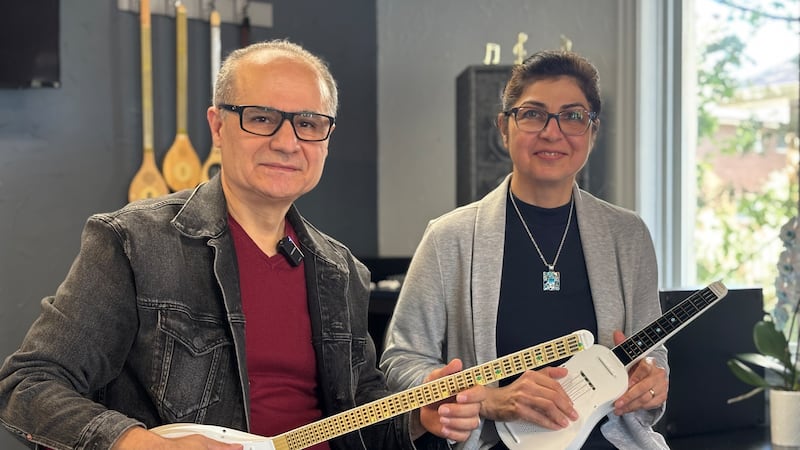
New legislation introduced in New Brunswick aims to protect artists in the province. If passed, the Status of the Artist Act would “acknowledge the arts as a profession and define a professional artist,” according to a news release from the province. The act would establish protections such as: “The New Brunswick arts sector has been advocating for improvement of the status of professional artists since the 1990s,” said Tourism, Heritage and Culture Minister Isabelle Thériault. “Improving conditions for professional artists is essential to the health of our cultural industry. Their efforts are fundamental to the growth of a broad range of creative trades and related work in New Brunswick communities, and support additional employment.” The New Brunswick government says there are 2,700 working artists in the province. Additionally, 9,000 people are employed in the cultural sector. “The latest census data indicated more than 70 per cent of artists in New Brunswick were earning less than $40,000 per year. The median personal income of artists in 2020 was $27,400, which is 39 per cent lower than that of all New Brunswick workers,” reads the release. The Premier’s Task Force on the Status of the Artist was established in 2014 and was formed to provide recommendations, like the Status of the Artist Act, that would improve the socio-economic status of professional artists. “Unfortunately, the financial situation of many New Brunswick artists is precarious, as the majority of them are unable to earn a living,” said Thériault. Regulations would be completed and posted for a 28-day comment period if the legislation is passed. “The legislation’s established fee scales would take effect this fall for artists being hired for projects under Parts I and II of the provincial government. Arts and culture organizations receiving funding from Parts I or II of the government would be granted a transition period, and would have until April 2027 to comply with those fee scales,” reads the release. Alberta, Newfoundland and Labrador, Nova Scotia, Ontario, Quebec and Saskatchewan have similar legislation already in place. For more New Brunswick news, visit our dedicated provincial page.